
Quick answer
Why is my fridge not cooling?
Check the temperature setting, make sure vents inside aren't blocked by food, clean the condenser coils and test the door seals. If those are fine, a fan motor, defrost problem or start relay is the most likely cause.
A warm fridge is stressful, because food safety is on the clock. The good news is that many cooling problems come from simple causes you can check in a few minutes: a bumped dial, a blocked vent, a dirty condenser, or a door that isn’t sealing. Work through this list in order.
First: Protect Your Food
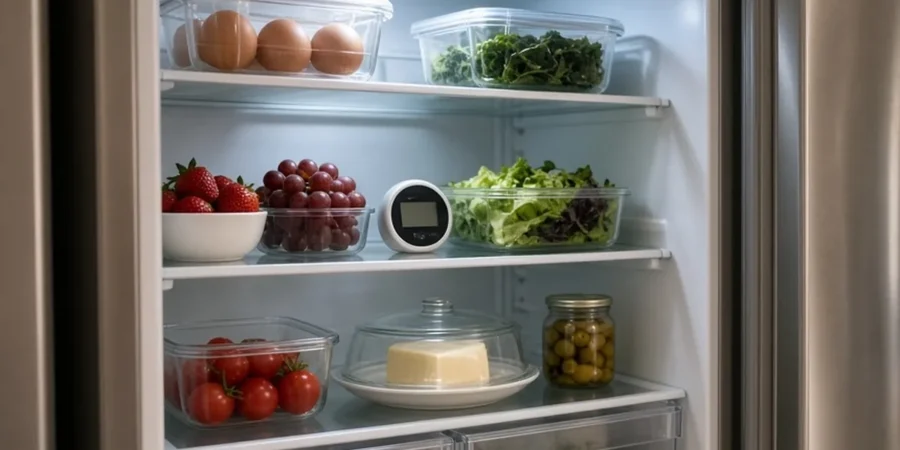
Put a fridge thermometer on the middle shelf. The fridge should be at 4°C (40°F) or colder, and the freezer at -18°C (0°F). If the fridge has been above 4°C for more than about two hours, follow food safety guidance and discard perishables when in doubt. Move important items to a cooler with ice while you troubleshoot.
Safety First
Unplug the fridge or switch off its breaker before cleaning the condenser coils, removing the rear access panel, or touching any fan. Wait a few minutes after unplugging before plugging back in, to protect the compressor.
1. Check the Power and Controls
Is the interior light on? Is the display lit? If nothing works, check the outlet with another device and look for a tripped breaker. If the light works but there’s no cooling, check that the temperature setting wasn’t changed. Many fridges also have a “cooling off” or showroom mode that keeps the lights and display on without cooling.
2. Check the Temperature Setting
Set the fridge to its recommended mid-setting (or about 3°C on digital models) and give it 24 hours to stabilize before judging. Changes don’t take effect instantly.
3. Check the Door Seals
A leaking gasket lets warm air in constantly. Close the door on a sheet of paper at several points. If it slides out easily, the seal isn’t gripping. Clean gaskets with warm, soapy water; sticky residue and crumbs can stop them sealing. Look for tears and for a door that sags or doesn’t close on its own.
4. Make Sure the Door Closes
An overfull door bin, a drawer that’s off its track, or a tall item on a shelf can hold the door slightly open. Check the door alarm if you have one.
5. Clear the Vents
Cold air flows from the freezer into the fresh food compartment through vents. If they’re blocked by food containers, the fridge warms while the freezer stays cold. Leave space around vents, usually at the back or top of the fridge section.
6. Don’t Overpack (or Underpack)
Air needs to circulate. A stuffed fridge cools unevenly. A nearly empty fridge has less thermal mass and warms up faster when the door opens.
7. Clean the Condenser Coils
The condenser coils release heat from the refrigerant. When they’re covered in dust and pet hair, the fridge struggles to cool. Depending on the model, coils are behind the bottom grille (kick plate) or on the back.
- Unplug the fridge.
- Remove the bottom grille, or pull the fridge out carefully to reach the back.
- Vacuum the coils with a brush attachment, or use a coil-cleaning brush.
- Reinstall the grille and plug the fridge back in.
Clean them at least once a year, more often with pets.
8. Check the Condenser Fan
On most fridges with coils underneath, a condenser fan near the compressor moves air over the coils. With the fridge running, listen and look at the bottom back (behind the rear access panel). If the compressor is running but the fan isn’t spinning, the condenser fan may have failed or be blocked by debris.
9. Listen for the Evaporator Fan
In the freezer, a fan circulates cold air to both compartments. Open the freezer door and listen. Many fans stop when the door opens; press the door switch to check. If you hear nothing, or a scraping or squealing noise, the fan may be blocked by ice or failing. Our guide to a fridge making noise covers these sounds.
10. Look for Frost on the Freezer Back Panel
Heavy frost on the back wall of the freezer often means the automatic defrost system has stopped working. Ice blocks the airflow, and the fridge warms up. A full manual defrost (unplug for 24–48 hours with the doors open and towels down) may restore cooling temporarily, but the frost will come back if a defrost part has failed.
Other Factors
- Location: a fridge in a hot room, next to an oven, or in direct sunlight works harder. Fridges in unheated garages may stop cooling properly in cold weather.
- Clearance: leave space around the fridge for airflow, as the manual specifies.
- Hot food: putting large pots of hot food in the fridge raises the temperature temporarily.
- Recent move or power outage: give it time to recover, and check for power-failure alerts on the display.
Quick Diagnosis Table
| Symptom | Likely cause |
|---|---|
| Nothing works, no light | Power, breaker, or outlet |
| Light on, no cooling, silent | Showroom mode, controls, or start components |
| Fridge warm, freezer cold | Blocked vents, evaporator fan, or defrost problem |
| Both warm, compressor running | Dirty coils, condenser fan, or sealed system |
| Frost on freezer back panel | Defrost system fault |
| Warm near the door, condensation | Door seal |
When to Call a Pro
Call a technician if the fridge still isn’t cooling after you’ve checked the settings, cleaned the coils and confirmed the doors seal. Fan motors, defrost components, start relays, control boards and compressors need proper diagnosis. Act quickly to save your food.
See our refrigerator repair service. We repair Samsung, LG, Whirlpool, Frigidaire, GE, KitchenAid and more. If your fridge is older, our guide to how long appliances last can help you decide whether to repair it.
Book a repair: call 437-662-1414 or book a visit online. We’re open 7 AM to 11 PM every day, statutory holidays included, at the same price, and we serve Toronto, North York, Scarborough and Etobicoke. The $70 service call is waived when you go ahead with the repair, and our repairs carry a 3 to 6 month warranty depending on the job. We’ve been fixing appliances since 2004 with licensed, insured and certified technicians. Read our 350+ Google reviews.
Frequently Asked Questions
Why is my fridge not cooling but the light is on?
Common causes include a changed temperature setting, showroom or demo mode, dirty condenser coils, a failed condenser or evaporator fan, blocked vents, or a defrost problem.
What temperature should my fridge be?
The fridge should be at 4°C (40°F) or colder, and the freezer at -18°C (0°F). Use a thermometer to check.
How do I reset my fridge?
Unplug it or switch off the breaker for a few minutes, then restore power. Some models have specific reset steps in the manual. Allow 24 hours to reach temperature.
Why is my freezer cold but fridge warm?
Cold air comes from the freezer through vents and a fan. If the fan fails, vents are blocked, or frost builds up on the evaporator, the fridge warms while the freezer stays cold.